
Coordination affects play
Running, climbing, catching, building or joining games may feel difficult or frustrating.
Occupational therapy in San Gabriel
Occupational therapy connects movement, coordination and task skills to daily life—helping children participate more confidently in play, school, self-care and family routines.
The dedicated Pediatric Occupational Therapy page goes deeper into sensory processing, dressing, feeding, handwriting and fine-motor development.
Reasons families may reach out
Occupational therapy may be useful when physical skills make play, school routines or self-care harder than they need to be.
Running, climbing, catching, building or joining games may feel difficult or frustrating.
New movement sequences may require extra demonstration, repetition or physical guidance.
A child may bump into objects, avoid uneven surfaces or feel unsure during active play.
Sitting at a desk, carrying materials or maintaining attention during seated activities may take extra effort.
A clear preference for one side may affect two-handed tasks, dressing, play or classroom activities.
Playgrounds, sports, PE or community activities may be avoided because the movements feel too hard.
How occupational therapy approaches a task
Instead of practicing movement in isolation, occupational therapy looks at what the child is trying to do, which skills the activity requires and how the surroundings can be adjusted.
Strength, coordination, attention, body awareness, confidence and individual learning style.
The sequence, movement demands, materials, timing and level of independence expected.
Space, surfaces, seating, visual distractions, equipment and the amount of support available.
What to expect
The process moves from understanding the challenge to practicing useful skills in meaningful activities.
Share where the challenge happens, what the child is trying to do and what usually gets in the way.
The therapist observes relevant movement, coordination and functional skills using age-appropriate activities.
Goals connect to play, school, self-care or other routines that are meaningful to the child and family.
Sessions may build skills, change how a task is completed or adjust the environment to improve participation.
Activities with a clear purpose
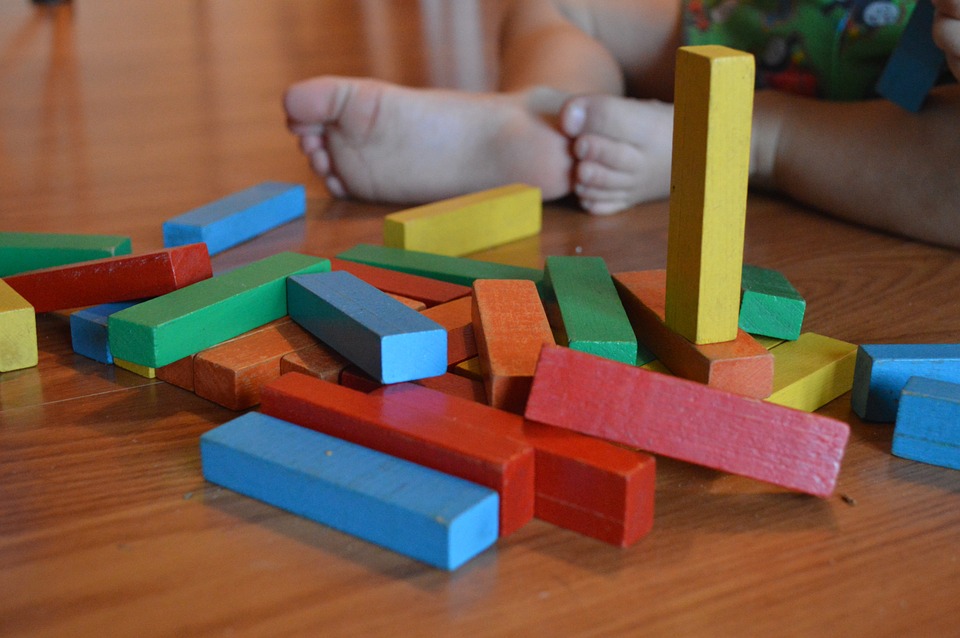
A session may include movement, balance, building, carrying, reaching or two-handed tasks. The activity is chosen to practice the skills behind a specific daily goal.
Common questions
It is fine to contact the office before you know which occupational therapy page best matches your concern.
Occupational therapy supports participation in meaningful everyday activities. For a child, that may include play, school tasks, dressing, feeding, movement routines and community activities.
This page focuses more on movement, coordination, motor planning and participation. The Pediatric Occupational Therapy page provides more detail about sensory processing, fine motor skills, feeding, dressing and handwriting.
The therapist gathers background information, observes the child completing relevant activities and considers the skills, task demands and environment involved.
Not necessarily. Occupational therapy often uses purposeful activities and play to practice movement, coordination and task skills in a functional way.
They may be used together when communication and participation goals overlap. Contact the office to discuss the services currently available.
Tell the office team which activities are becoming difficult and they will help you understand the next step.